Birden
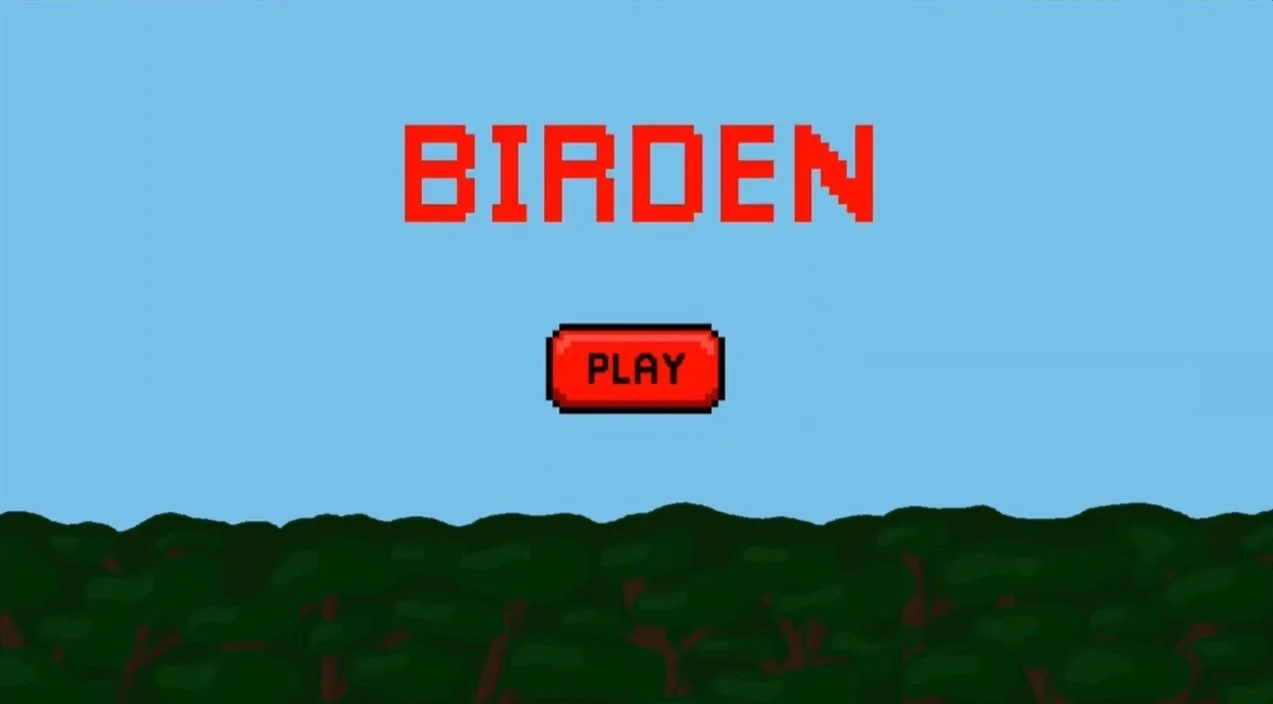
Role: Lead Director, Gameplay Designer, Level Designer
Birden is a 2D puzzle platformer and my senior thesis project, built around a forward and backward traversal mechanic. Players guide a young, flightless bird from left to right through puzzles with limited movement abilities. After reaching adulthood and gaining new abilities, such as gliding, players must re-traverse the same environments in reverse. Their previous actions directly alter terrain and puzzle outcomes, creating a dynamic world where player choice and progression are reflected in both gameplay and level design.
Responsibilities:
Designed levels to support both forward and backward traversal, ensuring puzzles remained engaging and coherent in both directions.
Developed mechanics for evolving player abilities, such as gliding and movement enhancements, to change gameplay strategy on the return journey.
Integrated environmental changes based on player actions during the initial run, creating a sense of consequence and dynamic world state.
Focused on pacing, player guidance, and difficulty curves to maintain flow across both forward and backward traversal.
Collaborated on visual and environmental design to reinforce the bird’s growth and progression through the world.
Accolades: A+
Engine: Unity
Core Gameplay & mechanics
How traversal and player evolution shape the puzzle experience.
Early testing focused on traditional left-to-right movement with simple mechanics to teach players basic interactions. We expanded this by layering new abilities on the return journey:
Forward traversal is limited, emphasizing observation and learning of puzzle patterns.
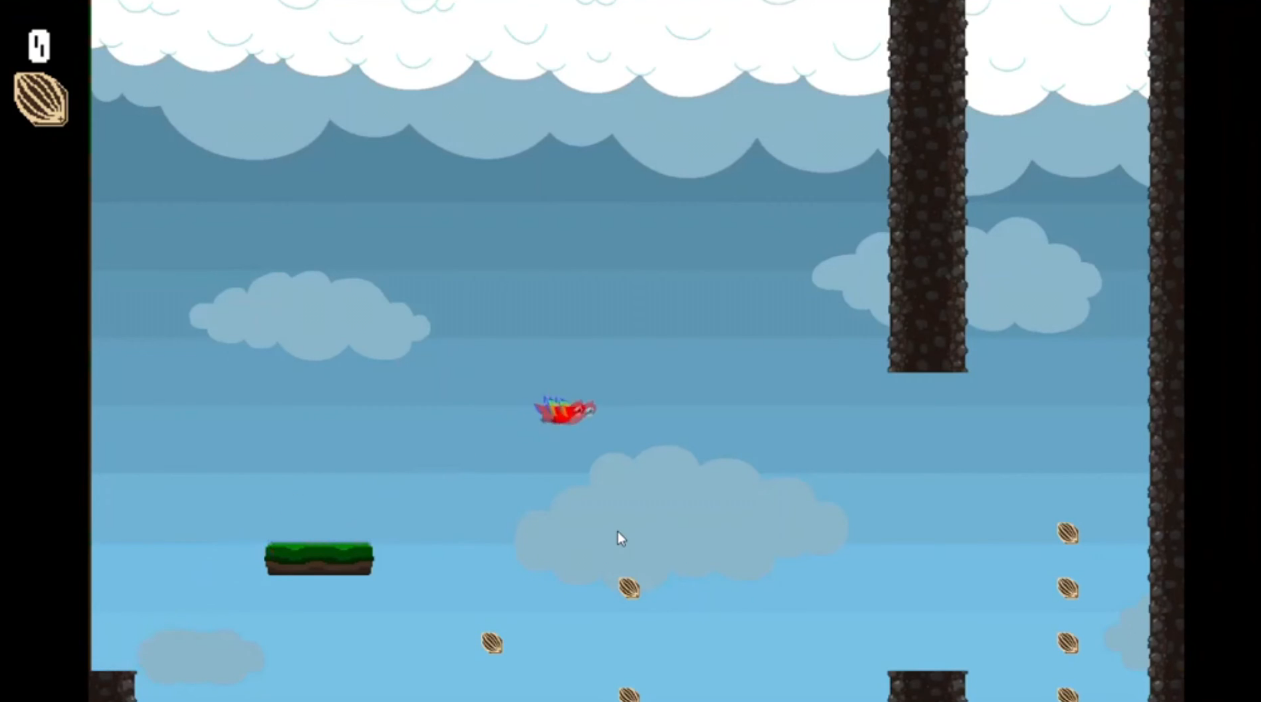
Return traversal introduces abilities like gliding, creating new solutions and approaches.
Puzzles are designed to have persistent consequences, so prior actions alter terrain and accessibility.
Mechanics balance player empowerment with strategic challenge.
This design reinforces a sense of growth, consequence, and mastery, encouraging players to think critically about both runs.
Level & World Design
Designing environments that evolve with the player.
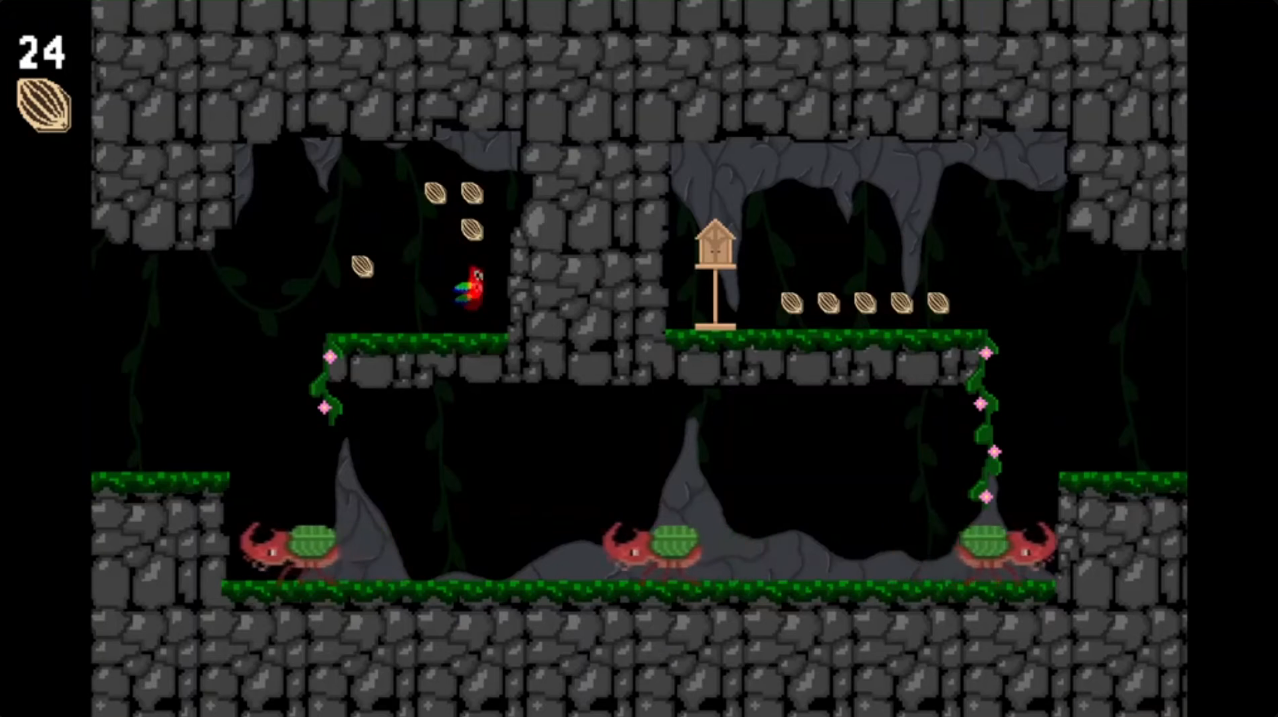
Level layouts were crafted to be engaging in both directions, ensuring clear flow and visual cues while supporting the evolving mechanics:
Forward levels teach mechanics gradually and introduce core puzzle concepts.
Return levels adapt based on previous actions, creating a dynamic, reactive world.
Environmental hazards and paths are tuned for both accessibility and challenge.
Visual design cues communicate player progression and reinforce the theme of growth.
This approach ensures the environment feels alive and responsive, making the player’s choices tangible and meaningful.
Systems & Design Philosophy
Creating a coherent experience with evolving player abilities and world states.
Player abilities are tied directly to level progression and puzzle resolution.
Terrain changes reflect prior player decisions, integrating narrative and gameplay.
Iteration focused on maintaining clarity, flow, and fairness across forward and backward traversal.
Balances challenge, learning, and reward to keep both runs engaging.
By connecting mechanics, level design, and player growth, the system creates a self-reinforcing loop that makes each traversal feel impactful and unique.